
Games That Keep You Active Without Feeling Like Exercise
Staying active doesn’t have to feel like a chore or something you force yourself to do. In fact, the most effective way to stay consistent with movement is to stop treating it like traditional exercise altogether. When you enjoy what you’re doing, you naturally do it more often—and that consistency is what delivers real results over time.
That’s why games are such a powerful tool for senior fitness. They take the pressure off, remove the boredom, and replace it with something engaging and social. Instead of focusing on reps, routines, or time limits, you’re simply playing—and your body benefits as a result.
And here’s the truth most people overlook.
Fun is not a distraction from fitness.
It’s the shortcut to it.
Why Games Work When Traditional Exercise Doesn’t
Traditional workouts often rely on discipline, structure, and repetition. While those things can be effective, they also create friction. If the activity isn’t enjoyable, it becomes something you have to push yourself to do, and over time, that push turns into resistance.
Games remove that resistance completely. They give you movement with purpose, variety without complexity, and motivation that comes naturally instead of being forced. You’re not thinking about how long you’ve been active—you’re focused on the experience.
That shift changes everything.
You stay engaged longer.
You move more without realizing it.
You come back because you want to—not because you have to.
And that’s where consistency is built.
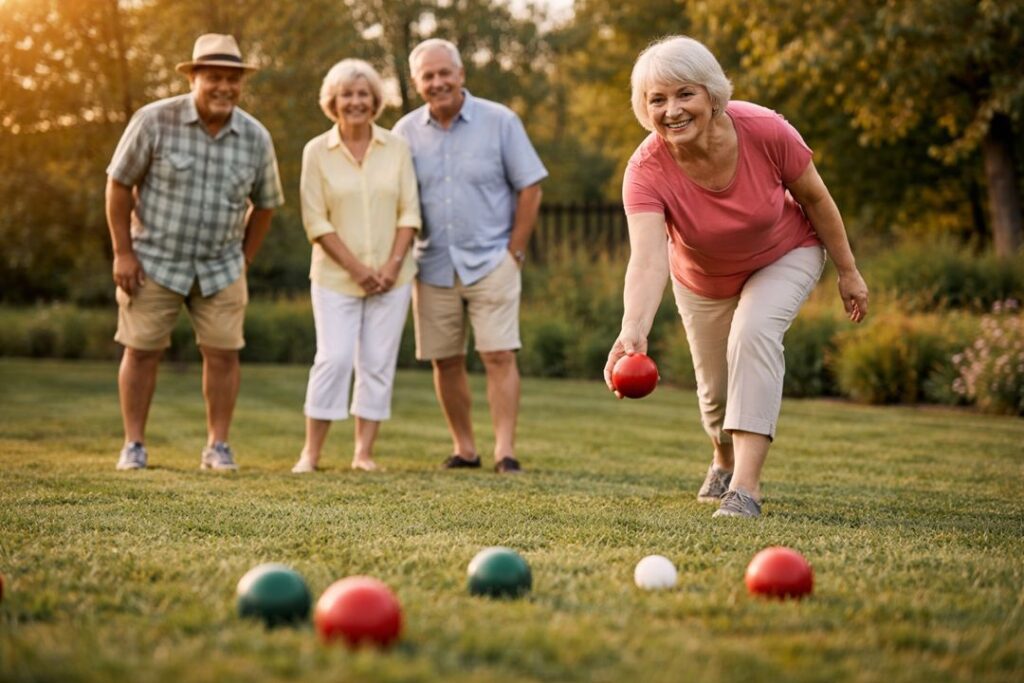
Horseshoes: The Classic That Keeps You Moving
Horseshoes is one of the most effective low-impact activities you can do, even though it doesn’t look like a workout on the surface. Each throw requires coordination, balance, and controlled movement, which helps strengthen your arms, core, and overall stability.
What makes it especially valuable is the pace. You’re not rushing or putting stress on your joints. You have time to reset, adjust your stance, and stay in control of every movement. That slower rhythm makes it ideal for staying active without overexertion.
And then there’s the part that really matters.
You don’t stop after a few minutes.
You keep playing.
Because it’s enjoyable.
That extended time moving—without pressure—is where the real benefits show up.
Lawn Bowling: Controlled Movement That Builds Stability
Lawn bowling focuses on smooth, controlled motion rather than speed or strength. Each roll requires balance, coordination, and a steady shift in body weight, all of which help improve stability and confidence in everyday movement.
These are the kinds of movements that matter most as you get older. They strengthen the smaller stabilizing muscles that help prevent falls and keep you feeling steady on your feet. Over time, that control translates directly into better mobility in daily life.
It may look simple.
But simple.
Especially when it’s done consistently.
Cornhole: Light Activity That Adds Up Over Time
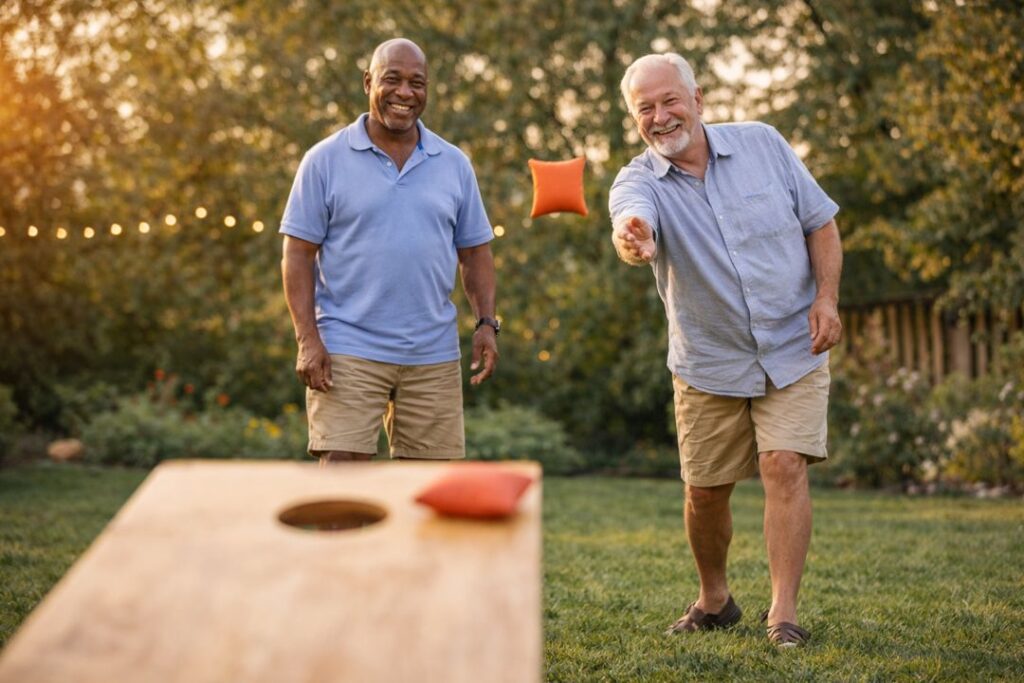
Cornhole is one of the easiest games to start, which is exactly why it’s so effective. The movements are natural and repetitive in a good way. You’re tossing, stepping, bending slightly, and walking between turns without thinking about it.
Individually, each movement feels small.
Together, they create steady activity.
Because the intensity is low, you can play longer without fatigue, and that extended playtime increases your overall movement for the day. It’s a great example of how small actions, repeated consistently, can lead to meaningful results.
And the best part?
It never feels like work.
Walking Games: Making a Daily Habit More Engaging
Walking is already one of the best activities for seniors, but doing the same route at the same pace every day can start to feel repetitive. By adding simple game elements, you turn walking into something more engaging and mentally stimulating.
Setting small challenges—like reaching a certain distance, walking to a landmark, or increasing your pace for short intervals—gives your walk a sense of purpose. That purpose keeps your mind involved, which makes it easier to stay consistent.
It’s still walking.
But now it’s interesting.
And that makes all the difference.
Pickleball: A Fun Way to Add Energy Without Overdoing It
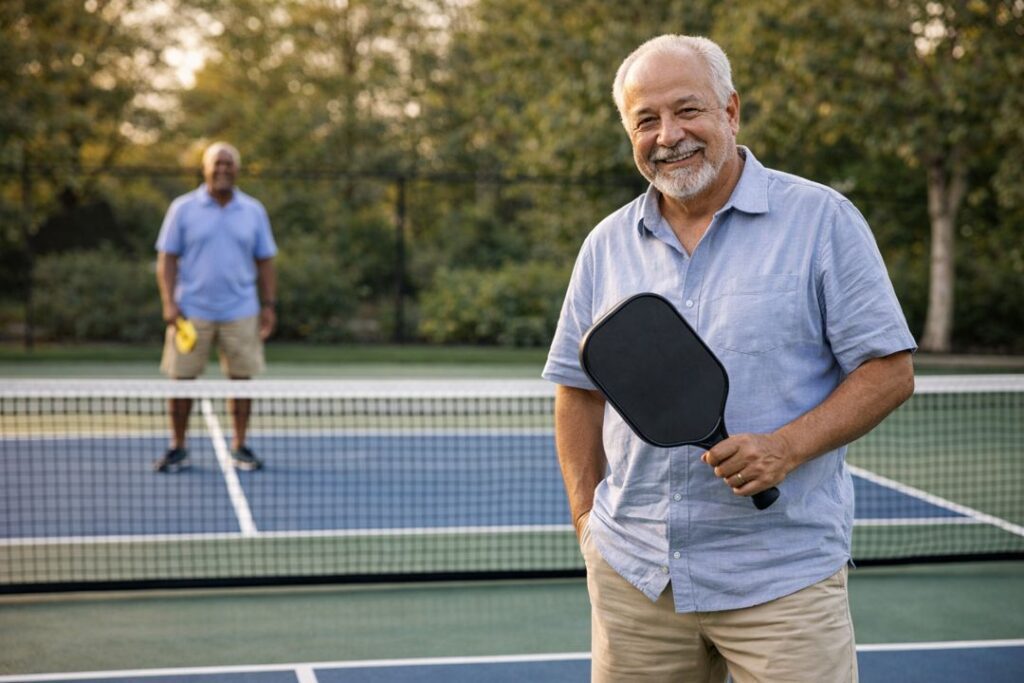
Pickleball brings a bit more movement into the mix while still being accessible and low-impact. The smaller court size keeps things manageable, while the gameplay encourages light footwork, coordination, and quick reactions.
You’re moving more.
But not pushing too hard.
That balance makes it ideal for building cardiovascular health and agility without putting unnecessary strain on your body. It also adds a level of excitement that keeps you engaged from start to finish.
And once you get into it…
You don’t want to stop.
How to Stay Consistent Without Turning It Into a Chore
The key to long-term success isn’t creating a strict routine—it’s creating a flexible rhythm. When you rotate different activities throughout the week, you avoid boredom and keep things fresh.
Some days can be more active, while others stay light and relaxed. The goal isn’t to follow a perfect plan. It’s to keep moving in a way that feels natural and sustainable.
Consistency beats intensity.
Every single time.
Simple Gear That Helps You Get Started
Having the right equipment can make these activities more enjoyable and easier to stick with. A great example is the Champion Sports Rubber Horseshoe Set, which is lighter, easier to handle, and ideal for casual play.
You don’t need anything complicated.
You just need something that makes it easy to start.
Because the easier it is to play…
The more often you will.
Frequently Asked Questions
1. Are games enough to stay active and healthy?
Yes, as long as you’re moving consistently. These activities support balance, coordination, and overall mobility.
2. How often should I play?
A few times a week is ideal, but the focus should always be on consistency over intensity.
3. What’s the best game to start with?
Horseshoes and cornhole are great options because they’re simple, low-impact, and easy to learn.
4. Can these games help with balance and fall prevention?
Yes, especially games that involve controlled movement and weight shifting, which improve stability over time.
5. Do I need additional exercise beyond these games?
Adding light stretching or mobility work can help, but these games provide a strong foundation for staying active.
Make Staying Active Something You Look Forward To
Staying active isn’t about forcing yourself through routines you don’t enjoy or trying to match someone else’s idea of fitness. It’s about finding simple, enjoyable ways to keep your body moving on a regular basis. When activity feels natural and rewarding, consistency becomes easy—and that’s what truly makes the difference over time.
This is where games change everything.
Because when you enjoy the activity, you remove the resistance that usually comes with exercise. You stop watching the clock, you stop thinking about effort, and you start focusing on the experience itself. That shift is what turns occasional movement into a lasting habit.
And once that habit forms…
You don’t have to force it anymore.
You don’t have to think about it.
You just keep showing up.
That’s how real, lasting fitness happens.

My name is Larry, and I’d like to thank you for visiting Senior Citizens Fitness. I’m so passionate about staying fit in my later years. I hope you found some useful information here. Thanks again, and please subscribe and leave comments.