
How to Choose the Perfect Knee Brace
Knee pain, injuries, or conditions like arthritis can make staying active and mobile challenging. A knee brace can be a game-changer, offering the support you need to move comfortably and recover faster. But with so many types and options available, finding the perfect knee brace can feel overwhelming. Here’s a comprehensive guide to help you make the right choice, complete with examples and practical steps.
1. Understanding Knee Braces and Their Benefits
A knee brace does more than just ease discomfort—it protects, stabilizes, and aids recovery. Whether you’re managing chronic pain, recovering from an injury, or preventing strain during physical activities, a knee brace can be your ally.
Common Reasons for Using a Knee Brace:
- Sports Injuries: High-contact sports like football, rugby, or basketball often lead to ligament injuries. A brace provides the necessary stability.
- Injury Recovery: Post-surgery or during rehabilitation (e.g., ACL recovery), braces limit movement to prevent further damage and aid healing.
- Arthritis Relief: For people with osteoarthritis, a brace can redistribute joint pressure, reducing pain and improving mobility.
Pro Tip: Always consult a doctor before using a knee brace. They can help determine if a brace is necessary and recommend the right type based on your condition.
2. Exploring Types of Knee Braces
There are several types of knee braces, each serving a specific purpose. Choosing the right one depends on your needs, activity level, and the severity of your condition.
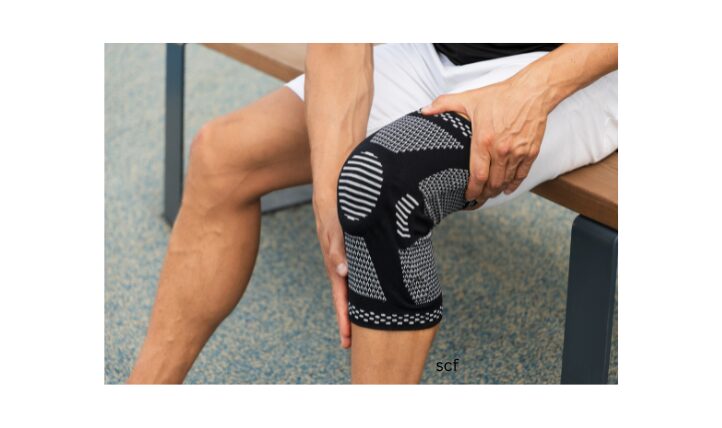
Common Knee Brace Types:
- Knee Sleeves:
-
- Lightweight, slip-on style.
- Provides mild compression for swelling and pain relief.
- Best for mild arthritis or minor aches.
- Example: A runner with occasional knee soreness might use a knee sleeve to prevent swelling after workouts.
- Knee Straps:
-
- Bands worn below the kneecap.
- Alleviate pressure on tendons and reduce pain from conditions like patellar tendonitis.
- Example: Someone with “runner’s knee” might benefit from a knee strap during jogging sessions.
- Hinged Knee Braces:
-
- Offer maximum support with side stabilizers.
- Ideal for post-surgery recovery or severe ligament injuries.
- Example: After ACL surgery, a hinged brace helps limit side-to-side motion.
- Wraparound Braces:
-
- Easy to put on and adjustable for a snug fit.
- Great for moderate support during sports or daily activities.
- Example: A tennis player with minor ligament instability might use a wraparound brace.
- Unloader Knee Braces:
-
- Designed for osteoarthritis sufferers.
- Redistribute joint pressure to reduce pain.
- Example: An older adult with arthritis might use an unloader brace for long walks.
- Compression Braces with Side Stabilizers:
-
- Combines compression with lateral support.
- Ideal for moderate ligament strains or after minor injuries.
- Example: Someone recovering from a mild MCL sprain could use this type for added stability.
3. Matching the Right Level of Protection
Not all knee braces provide the same level of support. Understanding protection levels ensures you select a brace that fits your specific needs.
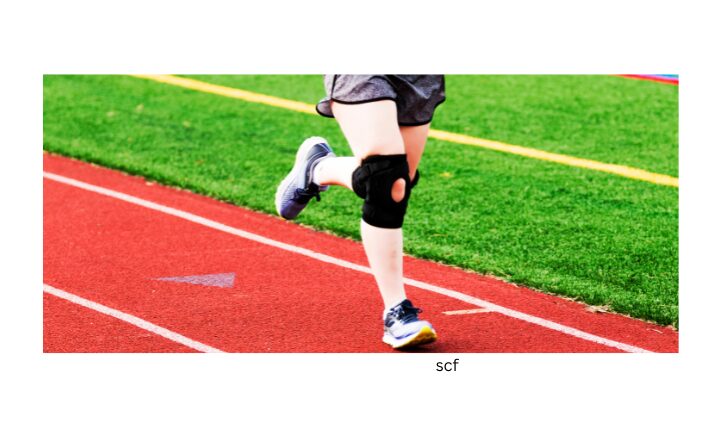
Protection Levels:
- Level 1: Mild Support:
-
- Offers flexibility and compression.
- Suitable for mild pain or preventive care.
- Example: A gym-goer might wear a Level 1 brace during light workouts.
- Level 2: Moderate Support:
-
- Wraparound designs with straps for extra stability.
- Ideal for tendonitis or minor ligament strains.
- Example: A weekend hiker with mild ligament issues might choose a Level 2 brace.
- Level 3: Maximum Support:
-
- Rigid braces with hinges for stability and restricted movement.
- Best for severe injuries or post-surgical recovery.
- Example: After a knee reconstruction surgery, a Level 3 brace ensures controlled movement.
- Level 3+: Extreme Support:
-
- Top-tier protection for intense activities or unstable joints.
- Example: Professional athletes recovering from injuries might rely on Level 3+ braces.
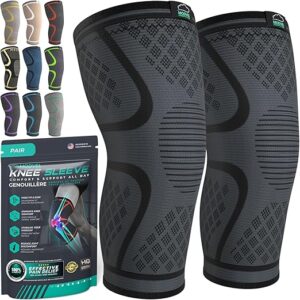
Knee Brace for Knee Pain
4. Steps to Choose the Right Knee Brace
Finding the perfect knee brace requires careful consideration of your needs and the brace’s features.
Steps to Follow:
- Identify Your Need:
-
- Determine whether you need support for injury prevention, pain relief, or recovery.
- Example: If you experience occasional soreness after running, a knee sleeve may suffice.
- Consult a Professional:
-
- Seek advice from a doctor or physical therapist to confirm the type of brace required.
- Example: A doctor might recommend a hinged brace for someone recovering from ACL surgery.
- Consider Comfort and Fit:
-
- Ensure the brace is made of breathable, soft materials and fits snugly without cutting off circulation.
- Example: Adjustable straps can help achieve a personalized fit.
- Evaluate Features:
-
- Look for specific features like side stabilizers, adjustable straps, or gel padding based on your needs.
- Example: Arthritis sufferers might prioritize braces with extra cushioning.
- Test It Out:
-
- Try walking or bending with the brace to assess comfort and functionality before purchasing.
- Example: A runner might test the brace’s stability by simulating jogging motions.
- Choose Based on Activity Level:
-
- Match the brace’s flexibility and support to your activity level.
- Example: A Level 2 brace might be ideal for light sports, while a Level 3 is better for intensive physical therapy.
5. Success Stories and Practical Applications
Many people have found relief and regained mobility with the right knee brace. Here are a few real-life examples:
- Tom’s Sports Recovery:
-
- After tearing his ACL during soccer, Tom used a hinged knee brace during recovery. It provided the stability he needed to regain confidence on the field.
- Lisa’s Arthritis Relief:
-
- Lisa, an avid gardener with osteoarthritis, started wearing an unloader knee brace. It eased her pain, allowing her to continue her hobby without discomfort.
- Mark’s Return to Running:
-
- Struggling with runner’s knee, Mark opted for a compression knee sleeve. The brace reduced inflammation, helping him train for his first half-marathon.
These examples highlight how tailored knee braces can address specific needs, ensuring comfort and functionality.
Conclusion: Support Your Way to Recovery
Choosing the perfect knee brace is about understanding your unique needs, researching your options, and ensuring the right fit. Whether you need mild support for daily activities or maximum stability for post-surgery recovery, there’s a brace designed for you.
By following these steps, exploring the different types of braces, and considering real-life success stories, you’re better equipped to make an informed decision. Remember, the right knee brace isn’t just about support—it’s about empowering you to stay active, recover effectively, and live life to the fullest.

My name is Larry, and I’d like to thank you for visiting Senior Citizens Fitness. I’m so passionate about staying fit in my later years. I hope you found some useful information here. Thanks again, and please subscribe and leave comments.
Larry Mac