
Tackling Stress: Strategies for Senior Citizens
Stress is a natural part of life, but for senior citizens, it can bring a whole new set of challenges. Aging comes with health concerns, financial worries, and social changes that can lead to heightened stress levels.
The good news? Stress isn’t an unavoidable part of aging. With the right strategies, seniors can effectively manage stress, improve mental well-being, and enjoy a fulfilling, relaxed life.
In this guide, we’ll explore common causes of stress in seniors and practical stress-relief techniques to help navigate life’s changes with ease.
Understanding Stress in Seniors: Common Causes and Impact
As we age, we encounter different types of stressors, some of which may be unavoidable but manageable with the right coping strategies.
Common Causes of Stress in Older Adults
1️⃣ Health Challenges
- Chronic conditions like arthritis, diabetes, or heart disease.
- Increased doctor visits, medications, and medical expenses.
- Decreased mobility leading to loss of independence.
2️⃣ Social Isolation & Loneliness
- Retirement reducing daily social interactions.
- Family members moving away or losing loved ones.
- Limited access to community events or group activities.
3️⃣ Financial Worries
- Living on a fixed income with rising costs of healthcare and living expenses.
- Fear of outliving savings or relying on family for financial support.
- Unexpected medical emergencies causing financial strain.
4️⃣ Loss of Purpose
- Feeling less useful after retiring from a long-term career.
- Struggling to find new hobbies, interests, or volunteer opportunities.
5️⃣ Cognitive & Mental Health Changes
- Increased risk of anxiety, depression, and memory loss.
- Stress over dementia or cognitive decline.
- Fear of losing independence and becoming a burden.
Understanding these stressors is the first step to addressing them. Now, let’s explore effective stress management strategies.
Stress Management Strategies for Seniors

1. Establishing a Daily Routine
Having a structured routine provides stability and a sense of control, reducing uncertainty that often leads to stress.
📌 Simple Ways to Create a Routine:
- Start the morning with light stretching or a walk.
- Set a regular mealtime schedule to maintain healthy eating habits.
- End the day with a relaxing activity, such as reading or listening to music.
💡 Why It Works: A predictable schedule provides comfort and reduces anxiety.
2. Practicing Mindfulness and Relaxation Techniques
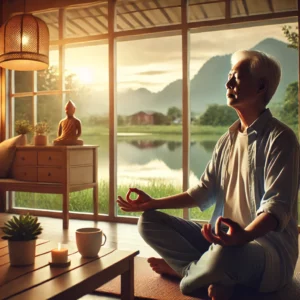
Mindfulness isn’t just for younger generations—seniors can benefit, too!
Effective Techniques:
🧘 Deep Breathing Exercises: Slow, controlled breathing reduces anxiety.
🎵 Guided Meditation: Apps like Calm or Headspace offer senior-friendly meditation.
🌿 Nature Walks: Spending time outdoors can be meditative and stress-relieving.
💡 Why It Works: Mindfulness keeps seniors grounded in the present, reducing overthinking and stress.
3. Staying Physically Active
Exercise is one of the best stress relievers, releasing endorphins (the “feel-good” hormones).
Senior-Friendly Exercises:
✅ Walking – Low-impact and easy to do daily.
✅ Swimming or Water Aerobics – Great for joint pain relief.
✅ Chair Yoga & Tai Chi – Improves flexibility and mental relaxation.
💡 Why It Works: Exercise boosts mood, improves circulation, and enhances overall well-being.
4. Maintaining Social Connections
Isolation can lead to higher stress levels and even depression. Maintaining a strong social network is crucial.
📌 Ways to Stay Socially Active:
- Join a senior center or community group.
- Schedule weekly phone calls or video chats with family.
- Try online communities or Facebook groups for like-minded seniors.
- Volunteer for local charities or mentor younger generations.

💡 Why It Works: Social interactions boost emotional health and reduce feelings of loneliness.
5. Managing Finances with Confidence
Financial worries can be a significant stressor, but proactive planning can bring peace of mind.
📌 Smart Money Management Tips:
- Create a monthly budget to track expenses.
- Seek financial advice from a trusted expert.
- Look into senior discounts, government programs, and community resources for financial relief.
💡 Why It Works: Financial security provides a sense of stability and reduces unnecessary stress.
6. Exploring New Hobbies and Interests
Finding purpose and joy in everyday life is essential for reducing stress.
Popular Hobbies for Seniors:
🎨 Painting & Creative Arts – A therapeutic way to express emotions.
📖 Reading or Audiobooks – Keeps the mind engaged and stimulated.
🌱 Gardening – Lowers stress and provides a sense of accomplishment.
🎵 Playing an Instrument – Enhances cognitive function and relaxation.
💡 Why It Works: Hobbies boost self-esteem, creativity, and mental stimulation.
Using Technology to Reduce Stress
The digital world isn’t just for younger people—seniors can use technology to enhance mental well-being and stay connected.
1. Stress-Relief Apps for Seniors
📲 Calm & Headspace – Guided meditation and sleep aid.
📲 MyFitnessPal – Encourages healthy eating habits.
📲 Lumosity – Brain-training games to keep the mind sharp.
2. Virtual Socializing
- Video calls (Zoom, FaceTime, Skype) with family and friends.
- Senior-friendly social media platforms to stay updated and engaged.
- Online book clubs or hobby groups for meaningful interactions.
3. Digital Therapy & Support Groups
- Virtual therapy sessions via BetterHelp or Talkspace.
- Online support groups for seniors dealing with stress, grief, or health concerns.
💡 Why It Works: Technology makes stress relief accessible and convenient from home.
Long-Term Mental Health & Wellness Strategies
1. Developing a Positive Mindset
Positive thinking reduces stress and boosts emotional resilience.
📌 Simple Practices:
- Keep a gratitude journal – Write down 3 things you’re grateful for daily.
- Avoid negative news overload – Focus on uplifting content.
- Practice self-compassion – Be kind to yourself and celebrate small victories.
2. Eating for Mental Wellness
A healthy diet plays a crucial role in managing stress.
🥦 Best Stress-Reducing Foods:
- Omega-3-rich foods (salmon, walnuts) – Supports brain health.
- Dark leafy greens – Combat stress hormones.
- Berries & Nuts – Packed with antioxidants that improve mood.
3. Seeking Professional Support When Needed
There’s no shame in asking for help. Seeking professional counseling or therapy can be a game-changer.
📌 Signs You Might Need Professional Support:
- Constant feelings of anxiety, sadness, or hopelessness.
- Difficulty sleeping or eating due to stress.
- Overwhelmed by daily responsibilities.
💡 Why It Works: Talking to a therapist or counselor helps develop effective coping mechanisms.
Final Thoughts: Embracing a Stress-Free Life
Stress is an unavoidable part of life, but it doesn’t have to control your golden years.
By incorporating mindfulness, physical activity, social engagement, financial planning, and technology, seniors can build resilience and enjoy a fulfilling, stress-free life.
✨ Now, it’s your turn! What strategies do YOU use to manage stress? Drop a comment below and let’s keep the conversation going! 👇🎉

My name is Larry, and I’d like to thank you for visiting Senior Citizens Fitness. I’m so passionate about staying fit in my later years. I hope you found some useful information here. Thanks again, and please subscribe and leave comments.
If You are a Senior like and passionate about something and want to blog about it and possibly earn a decent income. Check this out.