Strength Training for Seniors: Unlocking a Stronger, Healthier You
Why Strength Training Matters for Seniors
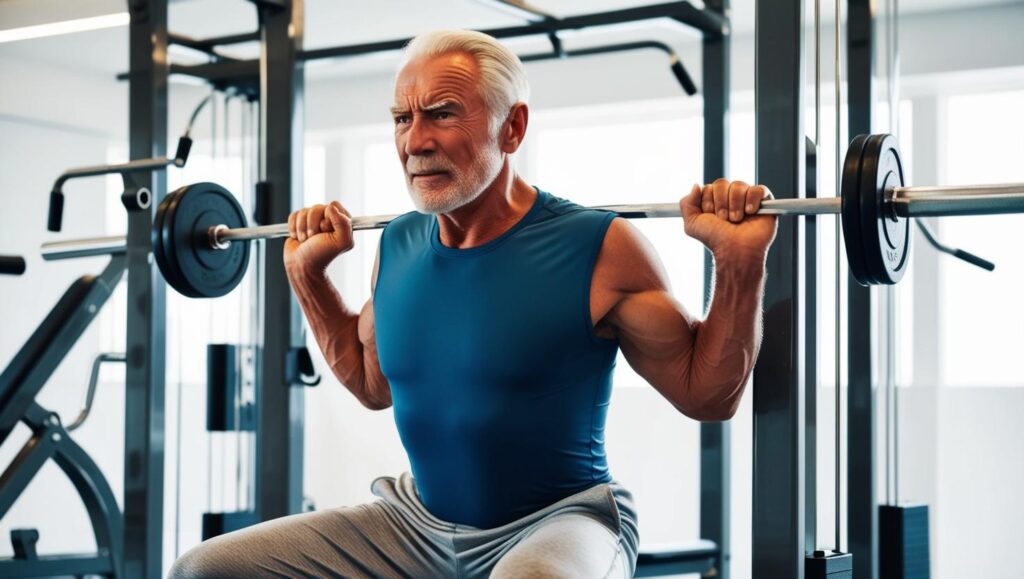
Strength training has this incredible way of boosting not just your muscles but your overall quality of life. So why is it particularly important for seniors? Well, as we age, staying strong is the key to staying independent, active, and able to do the things you love. The good news? It’s never too late to start.
Ever heard the saying, ‘use it or lose it’? It’s true—muscles and bones naturally weaken over time if they’re not being used regularly. That’s where strength training comes in. Adding simple, effective resistance exercises to your routine can be a total game-changer.
And here’s a myth we need to bust: strength training isn’t just for younger folks or bodybuilders. Seniors can reap huge benefits, like improved balance, increased energy, and even a happier mood. Starting slow and steady is the name of the game—it’s all about finding a routine that works for you.
Physical strength has a ripple effect, too. It boosts your confidence, improves your sleep, and even helps you connect with others if you join group fitness classes. So, let’s break down the many benefits and practical steps for getting stronger—starting with some simple exercises that can make a big difference.
1. Physical Benefits of Strength Training for Seniors
The physical benefits of strength training for seniors can’t be overstated. It’s not just about building muscle—it’s about building a foundation for a healthier, more independent life.
First up is bone health. As we age, osteoporosis becomes a real concern, but strength training can help combat that. Exercises that involve resistance signal your bones to grow stronger, like putting on armor to protect against fractures.
Next is muscle mass. Did you know we naturally lose muscle as we age? Strength training helps maintain, and even build, that muscle. This isn’t just about looking fit—it’s about making daily activities like carrying groceries, climbing stairs, or even playing with grandkids easier.
Let’s talk about balance and coordination. Stronger muscles support your joints, which reduces the likelihood of falls. Considering falls are one of the top concerns for older adults, this is a huge benefit for peace of mind.
Lastly, strength training revs up your metabolism. It helps your body burn calories more efficiently, which is great for weight management. Combine that with reducing the risk of diseases like heart disease and diabetes, and you’re setting yourself up for a longer, healthier future.
2. Mental and Emotional Health Benefits
Strength training isn’t just about the body; it works wonders for your mind too.
First, there’s better sleep. Regular strength workouts help regulate your sleep patterns, so you’ll catch deeper Z’s and wake up feeling more refreshed. Who doesn’t want that?
Then there’s the boost to mood and mental health. Feeling down or anxious? Strength training has been proven to reduce symptoms of depression and anxiety. It’s incredible how feeling physically strong can make you feel mentally strong too.
You’ll also enjoy the social aspect. Whether you work out with a friend, join a group class, or chat with others at the gym, strength training can connect you with like-minded people. These connections can be a huge source of motivation and emotional support.
And finally, there’s the sense of accomplishment. Hitting small milestones—like lifting a little more weight or holding a plank for longer—boosts your self-confidence and shows you’re capable of more than you might have thought.
3. Six Effective Strength Exercises for Seniors
Here are six simple yet powerful strength exercises to get you started. These can be done at home or in a gym and can be adjusted to your fitness level.
- Chair Squats
-
- What it works: Legs, glutes, and core.
- How to do it: Stand in front of a sturdy chair with your feet shoulder-width apart. Slowly lower yourself as if you’re going to sit, then stop just above the seat and push back up to standing. Start with 10-12 reps.
- Why it’s great: This move mimics sitting and standing, which is crucial for maintaining independence.

- Wall Push-Ups
-
- What it works: Arms, chest, and shoulders.
- How to do it: Stand a few feet from a wall, place your hands flat against it at shoulder height, and slowly bend your elbows to bring your chest toward the wall. Push back to the starting position. Repeat 10-12 times.
- Why it’s great: It builds upper-body strength with less strain on the joints.
- Seated Leg Lifts
-
- What it works: Legs and core.
- How to do it: Sit upright in a chair. Extend one leg straight out, hold for a few seconds, then lower it back down. Switch legs. Aim for 10-12 reps on each side.
- Why it’s great: This move improves lower body strength and supports balance.
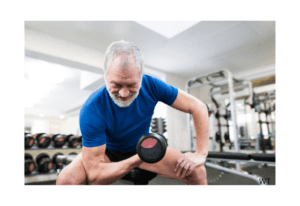
- Bicep Curls
-
- What it works: Arms.
- How to do it: Hold a light dumbbell (or water bottle) in each hand, palms facing up. Slowly curl the weights toward your shoulders, then lower them back down. Repeat for 10-12 reps.
- Why it’s great: Strong arms make daily tasks like lifting and carrying easier.
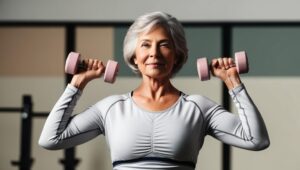
- Shoulder Press
-
- What it works: Shoulders and arms.
- How to do it: Hold light weights at shoulder height, palms facing forward. Press the weights overhead, then lower them back to the starting position. Do 10-12 reps.
- Why it’s great: This builds shoulder strength for reaching and lifting.
- Standing Side Leg Lifts
-
- What it works: Hips and legs.
- How to do it: Stand tall and hold onto a chair for balance. Lift one leg out to the side, hold for a moment, then lower it back down. Switch sides. Aim for 10-12 reps per leg.
- Why it’s great: This move strengthens hips, improving stability and preventing falls.



4. Tips for a Safe and Effective Routine
Safety first! Here are some tips to make strength training work for you:
- Start light: Begin with your own body weight or very light dumbbells. Gradually increase resistance as you get stronger.
- Focus on form: Proper form is key to preventing injuries. If you’re unsure, ask a trainer for guidance.
- Warm up and cool down: A light warm-up (like marching in place) prepares your body, and stretching afterward helps recovery.
- Listen to your body: Soreness is normal, but sharp pain isn’t. If something doesn’t feel right, stop and reassess.
- Stay consistent: Aim for 2-3 sessions per week. Progress comes with regular effort.
Conclusion: Embrace a Stronger You
Strength training is a game-changer for seniors. It’s not about lifting the heaviest weights—it’s about building a body that supports the life you love. Whether it’s carrying groceries, climbing stairs, or playing with grandkids, staying strong means staying independent.
The physical, mental, and emotional benefits of strength training are too good to ignore. With simple exercises like chair squats, wall push-ups, and bicep curls, you can start building strength at your own pace. And remember—every small effort adds up to big rewards over time.
So, what are you waiting for? Lace up those sneakers, grab a light weight, and take that first step. Your future self will thank you for choosing strength today!