
Walking Smarter After 60: Build Strength and Confidence Without Overdoing It
Walking is one of the most natural forms of movement we have. Most seniors continue walking long after other activities fade away, simply because walking is part of daily life. It gets you from room to room, out to the mailbox, around the store, or down the sidewalk for a breath of fresh air.
At the same time, many older adults quietly notice that walking doesn’t feel quite the same anymore. Legs tire faster. Balance feels less automatic. Uneven ground feels more noticeable. None of this means walking has stopped being good for you. It simply means walking now benefits from a little more intention than it once did.
Walking after 60 works best when it supports your body instead of challenging it unnecessarily. With a few simple adjustments, walking can continue to build strength, improve balance, and reinforce confidence without leaving you sore or discouraged.
Why Walking Often Feels Harder With Age
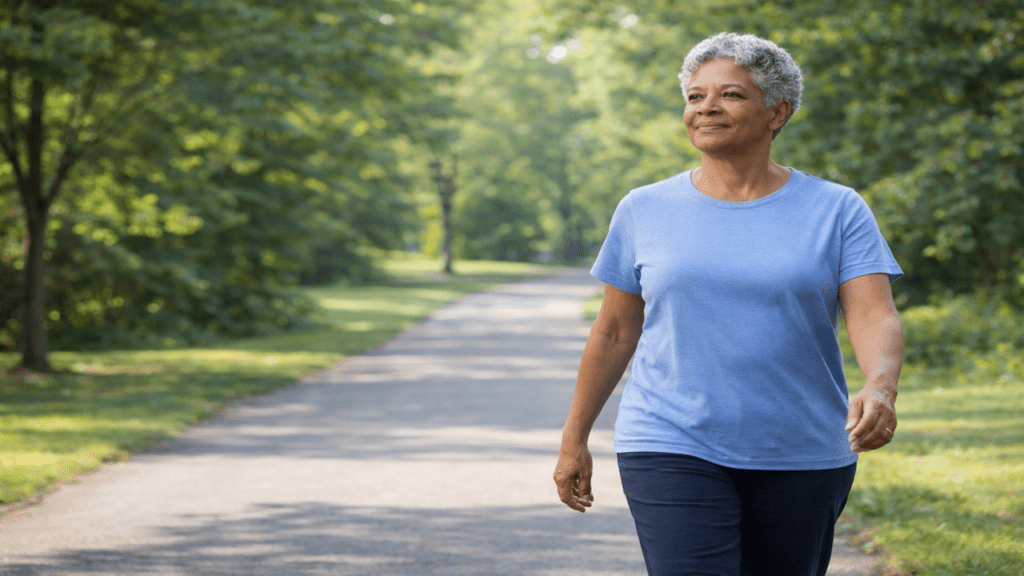
Changes in walking rarely happen all at once. They tend to build gradually, which can make them frustrating to pinpoint. Muscles may weaken slightly if they aren’t used regularly. Joints may feel stiffer, especially at the start of movement. Reaction time and balance responses can slow just enough to be noticeable.
Posture also plays a role. Many seniors unknowingly lean forward while walking, shifting weight in a way that makes balance harder to maintain. Shorter steps and reduced arm swing can further increase fatigue, even on familiar routes.
These changes are normal. The goal isn’t to “fix” walking, but to adjust it so it continues to feel steady and reliable.
What Good Walking Looks Like After 60
Good walking after 60 has very little to do with speed or distance. It’s about moving in a way that feels controlled, repeatable, and comfortable.
Strong walking habits usually include:
- Standing tall without forcing posture
- Keeping shoulders relaxed
- Letting arms swing naturally
- Taking even, comfortable steps
When walking feels smooth rather than cautious or rushed, the body uses energy more efficiently, and balance improves naturally.
Pace Matters More Than How Far You Go
One of the most common mistakes seniors make is focusing on distance. Long walks can feel productive, but they often lead to soreness, stiffness, or skipped days afterward.
A steady pace that allows you to talk comfortably is usually the best choice. Walking should leave you feeling capable later in the day, not worn out. Ten or fifteen minutes done consistently is far more effective than occasional long walks that require extra recovery.
Walking smarter means stopping before fatigue sets in, not after.
How Much Walking Is Enough?
There is no single answer that works for everyone. The right amount of walking depends on your energy, joint comfort, balance, confidence, and how your body feels afterward.
A helpful approach is to think in terms of time and consistency rather than distance. Shorter walks done more often allow the body to adapt without stress. Gradual increases feel more sustainable than sudden jumps.
If walking leaves you feeling steady and comfortable later in the day, you’re on the right track.
Building Endurance Without Feeling Beat Up
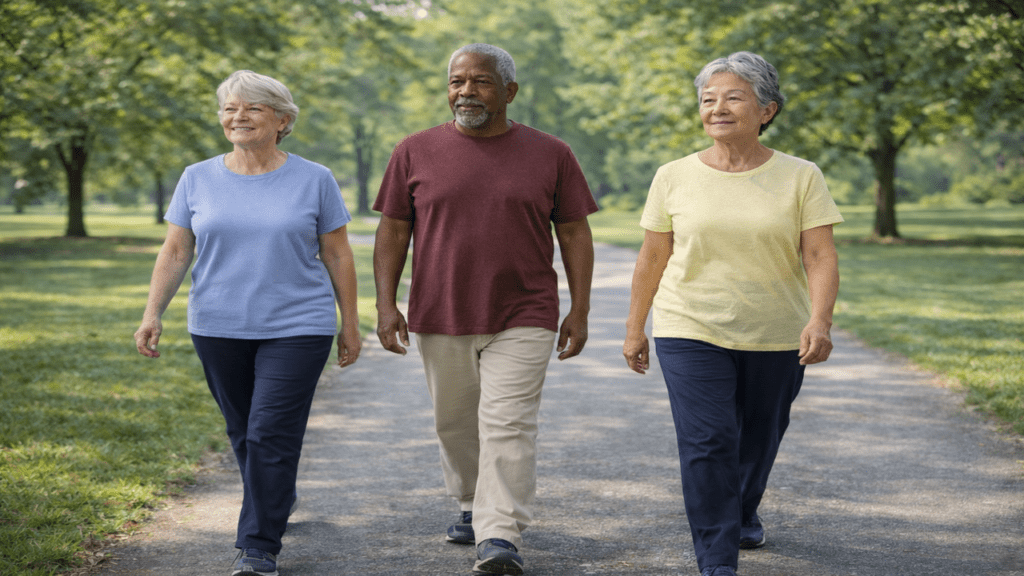
Endurance improves when walking feels repetitive. If you’re sore or unusually tired after walking, it’s a sign that either the pace or duration was a bit too much.
Better endurance habits include:
- Walking slightly shorter distances more often
- Taking rest days when needed
- Slowing down instead of stopping completely
Endurance builds quietly over time when walking feels like something your body expects rather than resists.
Walking Indoors and Outdoors Both Have a Place
Outdoor walking offers fresh air, changing scenery, and gentle variation in terrain. It can also challenge balance in useful ways when confidence is high.
Indoor walking is just as valuable on days when weather, fatigue, or balance concerns make outdoor walking less appealing. Hallways, open rooms, or even slow laps around the house still reinforce coordination and movement patterns.
Choosing the environment that feels safest on a given day helps keep walking consistent rather than sporadic.
How Walking Supports Balance and Stability
Walking is one of the most practical balance activities seniors can do. Each step requires weight shifting, coordination, and controlled movement.
When done with awareness, walking helps:
- Strengthen leg and core muscles
- Reinforce upright posture
- Improve coordination
- Practice smooth starts, stops, and turns
Balance improves naturally when walking feels calm and deliberate instead of rushed.
Common Walking Habits That Make Things Harder
Many walking problems come from habits rather than ability. Rushing, constantly looking down, wearing unstable shoes, or skipping any kind of warm-up can make walking feel more difficult than it needs to be.
Small corrections often lead to noticeable improvement. Lifting the gaze, slowing the pace, choosing supportive footwear, and easing into movement can make walking feel steadier almost immediately.
Why Footwear Matters More Than Most People Think
Shoes affect how secure walking feels. Worn-out or overly soft shoes can reduce stability and make balance harder to maintain.
Supportive walking shoes should feel stable underfoot, provide good traction, and fit securely without squeezing. Comfort and stability matter far more than appearance, especially for daily walking.
Supportive Walking Shoes
Using Support Without Losing Confidence
Some seniors avoid support because they worry it signals weakness. In reality, support often allows better movement and greater confidence.
Support might mean choosing flatter routes, walking near railings, or using lightweight walking poles. These options reduce fear and allow walking to feel more relaxed and natural.
Confidence grows when walking feels safe.
Walking as Part of Daily Life
Walking doesn’t need to feel like a workout to be effective. It fits best when it blends naturally into daily routines.
Short walks after meals, gentle strolls with a friend, or steady movement during errands all count. When walking feels like part of life rather than a task, consistency comes more easily.
Walking With Confidence, One Step at a Time
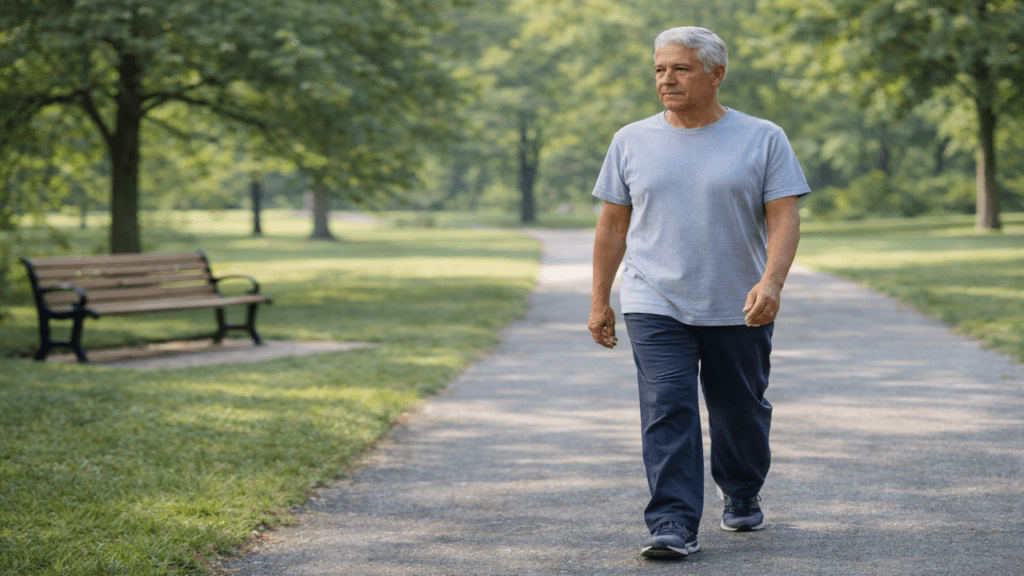
Walking after 60 isn’t about pushing limits or keeping up with anyone else. It’s about moving in a way that feels steady, comfortable, and reliable.
Small adjustments in posture, pace, and awareness add up over time. When walking supports balance instead of draining energy, it becomes something you can return to day after day without hesitation.
There’s no need to rush progress or compare yourself to others. Walking works best when it fits your body and your life. With a calm, consistent approach, walking remains one of the simplest and most effective ways to stay active, confident, and independent as you age.

My name is Larry, and I’d like to thank you for visiting Senior Citizens Fitness. I’m so passionate about staying fit in my later years. I hope you found some useful information here. Thanks again, and please subscribe and leave comments.